
When it comes to taking care of your smile, you may wonder whether you should see a dentist or an orthodontist. After all, both work with teeth, and some general dentists even offer treatments like braces or Invisalign. So, what's the difference?
The main difference between a dentist and an orthodontist is their area of expertise and specialized training. Dentists focus on your overall oral health, while orthodontists complete additional education specifically focused on straightening teeth, correcting bite problems, and aligning the jaws.
Both play important roles in maintaining a healthy smile. Understanding their differences can help you make a more informed decision about your dental and orthodontic care.
What Does a Dentist Do?
A general dentist is your primary provider for routine oral healthcare. Their goal is to help prevent, diagnose, and treat problems affecting your teeth, gums, and mouth.
General dentists provide a wide range of services, including routine dental examinations, cleanings, fillings, crowns, and treatment for common oral health concerns.
Your dentist also monitors your oral health over time, looking for issues such as tooth decay, gum disease, or changes that may require additional treatment.
If your teeth are healthy but you're concerned about crowding, spacing, or the way your bite fits together, your dentist may recommend an evaluation with an orthodontist.
What Does an Orthodontist Do?
An orthodontist is a dentist who has completed additional specialty training focused on the alignment of teeth and jaws.
While general dentists concentrate on overall oral health, orthodontists specialize in diagnosing, preventing, and treating problems involving tooth positioning, jaw development, and the way your upper and lower teeth come together.
Common orthodontic concerns include:
Crowded or crooked teeth
Gaps or excessive spacing between teeth
Overbites and underbites
Crossbites and open bites
Teeth that have shifted after previous orthodontic treatment
Jaw growth and alignment concerns in developing children
Orthodontic treatment isn't only about improving the appearance of your smile. Proper tooth alignment and a healthy bite can also support more comfortable and efficient biting and chewing.
Orthodontists use treatments such as traditional braces, clear braces, Invisalign clear aligners, and other orthodontic appliances to address these concerns.
What's the Difference in Education Between a Dentist and an Orthodontist?
All orthodontists are dentists, but not all dentists are orthodontists.
Both professionals begin by completing dental school and earning a Doctor of Dental Surgery (DDS) or Doctor of Dental Medicine (DMD) degree.
However, becoming an orthodontist requires additional education beyond dental school.
After earning their dental degree, orthodontists must complete an accredited orthodontic residency program, typically lasting two to three additional years.
During this specialized training, orthodontists study tooth movement, bite correction, jaw growth, facial development, and the diagnosis and treatment of complex orthodontic problems.
That means an orthodontist's education doesn't end with learning how to care for teeth. They spend additional years studying how teeth move and how the teeth and jaws should function together.
According to the American Association of Orthodontists (AAO), completing this accredited specialty training is what distinguishes an orthodontist from a general dentist who offers orthodontic services.
What Does It Mean to Be a Board-Certified Orthodontist?
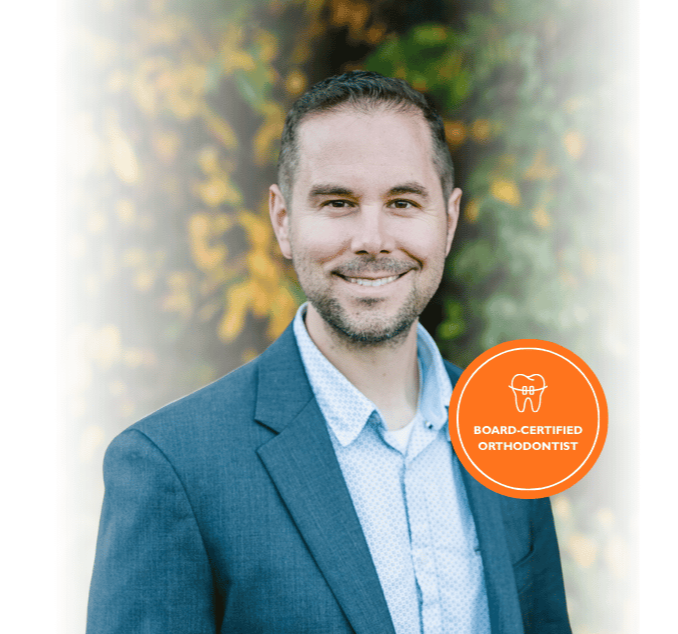
Some orthodontists take their qualifications a step further by pursuing board certification through the American Board of Orthodontics.
Board certification is a voluntary credential earned through an additional examination and evaluation process. It reflects a commitment to established standards of specialty practice and continued professional development.
At Beecroft Orthodontics, Dr. Matthew Beecroft is a board-certified orthodontist who completed his orthodontic residency at Vanderbilt University, where he served as chief resident.
Orthodontist vs. Dentist for Braces: Does It Matter?
If you're considering braces, you might be wondering whether you really need to visit an orthodontist or whether your regular dentist can provide the same treatment.
Some general dentists do offer braces and clear aligners. However, providing orthodontic treatment does not mean a dentist has completed the additional specialty training required to become an orthodontist.
Braces do more than straighten the teeth you see when you smile.
Orthodontic treatment involves carefully planned tooth movement, including how the roots of your teeth move within the supporting bone and how your upper and lower teeth fit together.
An orthodontist evaluates your overall bite, tooth positions, spacing, and jaw relationships before recommending a treatment plan.
For example, someone with crowded front teeth may appear to need only a few teeth straightened. However, an orthodontic evaluation might reveal additional concerns involving the bite or the positioning of the back teeth.
These factors can affect which treatment approach is appropriate.
That is why seeing an orthodontist for an evaluation can be beneficial, even if your teeth appear to need only minor adjustments.
At Beecroft Orthodontics, we offer several treatment options, including metal and clear braces, so patients can explore the approach that best fits their individual needs.
Can a General Dentist Provide Invisalign?
Yes. Both general dentists and orthodontists can provide Invisalign treatment.
However, it's important to understand that Invisalign is a system of clear aligners, not a substitute for a comprehensive orthodontic diagnosis and treatment plan.
The provider is responsible for evaluating your teeth and bite, determining whether clear aligners are appropriate, planning tooth movement, and monitoring your progress throughout treatment.
Because orthodontists receive additional specialty education focused on tooth movement and bite correction, they bring that training to Invisalign treatment planning.
Whether you're considering braces or Invisalign, understanding your provider's qualifications and experience can help you make an informed decision.
If you're researching Invisalign in the Fredericksburg area, read our guide to choosing an Invisalign orthodontist in Fredericksburg, VA.
When Should You See an Orthodontist Instead of a Dentist?
The right provider depends on your concerns and the type of care you need.
If you're due for a cleaning, have a cavity, or are experiencing general dental concerns, your dentist is usually the appropriate place to start.
However, you may want to schedule an orthodontic consultation if:
Your teeth are crowded, crooked, or noticeably spaced apart.
Your upper and lower teeth don't fit together comfortably.
You're considering braces or clear aligners.
You've noticed your teeth shifting after previous orthodontic treatment.
Your child's teeth or jaws don't appear to be developing normally.
You want a specialist's opinion about your bite or treatment options.
You don't necessarily need to wait until your dentist recommends orthodontic treatment to schedule an evaluation.
In fact, many patients choose to visit an orthodontist directly when they have concerns about their smile or bite.
At What Age Should a Child First See an Orthodontist?
Many parents assume their children don't need to see an orthodontist until all their permanent teeth have come in.
However, the American Association of Orthodontists recommends that children receive their first orthodontic evaluation no later than age 7.
By this age, children typically have a combination of baby and permanent teeth, allowing an orthodontist to evaluate how their teeth and jaws are developing.
An early evaluation can help identify concerns such as crowding, crossbites, unusual jaw growth, or insufficient space for permanent teeth.
Seeing an orthodontist at age 7 doesn't mean your child will need braces right away.
Many children don't require immediate treatment. Instead, the orthodontist may recommend monitoring their growth and development until the appropriate time for treatment.
Learn more about early orthodontic evaluations at Beecroft Orthodontics.
Do You Still Need to See Your Dentist During Orthodontic Treatment?
Absolutely!
Your dentist and orthodontist have different responsibilities, but they work toward the same goal: helping you maintain a healthy smile.
While your orthodontist monitors tooth movement and bite alignment, your general dentist continues to care for your overall oral health.
Regular dental examinations and cleanings remain important throughout orthodontic treatment, especially because braces can make certain areas of the teeth more difficult to clean.
Maintaining good oral hygiene and attending your regular dental appointments can help support your oral health throughout treatment.
Frequently Asked Questions About Dentists and Orthodontists
Is an orthodontist more qualified than a dentist?
An orthodontist has additional qualifications specifically in orthodontics. Both complete dental school, but orthodontists also complete an accredited specialty residency focused on tooth movement and jaw alignment. General dentists have broader training in oral healthcare, while orthodontists have additional training in their specialty.
Can a dentist straighten your teeth?
Yes. Some general dentists provide orthodontic services such as braces or clear aligners. However, not every dentist has completed an accredited orthodontic residency. If you're considering teeth straightening, it can be helpful to seek an evaluation from an orthodontic specialist.
Do I need a referral from my dentist to see an orthodontist?
In most cases, no. You can contact an orthodontic office directly to schedule a consultation. Some insurance plans may have specific referral requirements, so it's worth checking your coverage.
Is orthodontic treatment only cosmetic?
No. Although improving the appearance of your smile is often a major motivation for treatment, orthodontics also addresses how teeth align and function together. Correcting certain bite problems can help improve the way teeth meet during biting and chewing.
Can adults see an orthodontist?
Absolutely. Orthodontic treatment isn't limited to children and teenagers. Adults can benefit from braces or clear aligners at many stages of life, depending on their oral health, treatment needs, and goals.
Looking for an Orthodontist in Fredericksburg or Stafford, VA?
Choosing between a dentist and an orthodontist doesn't have to be complicated. Both are essential to your oral health, but when it comes to straightening teeth and correcting bite problems, an orthodontist has additional specialty training focused on exactly that.
At Beecroft Orthodontics, our team provides personalized orthodontic care for children, teens, and adults in Fredericksburg and Stafford, Virginia.
Whether you're considering braces, exploring Invisalign, or simply wondering if you or your child could benefit from orthodontic treatment, we're here to help you understand your options.
Your first consultation is complimentary, giving you the opportunity to have your teeth and bite evaluated, ask questions, and learn about treatment recommendations without an initial exam fee.
Schedule Your Free Orthodontic Consultation
Beecroft Orthodontics
243 Garrisonville Rd. Suite #201 Stafford,Virginia
Phone: 540-898-2200
Difference between A Dentist and Orthodontist